
Cheek augmentation in Singapore means restoring or enhancing mid-face support with filler, collagen-stimulating biostimulators such as Radiesse or Sculptra, or lifting. The key distinction is whether the cheek has lost volume or the tissue has descended: true volume loss may suit filling, while descended tissue is often addressed by lifting first.
- What it is
- Restoring or enhancing support over the cheekbone and malar area of the mid-face
- What it treats
- Mid-face volume loss, flattened cheek contour and descended cheek tissue
- How it is assessed
- Bone, fat and soft-tissue position mapped to separate true volume loss from descent
- Options
- Hyaluronic acid or CaHA filler, biostimulators such as Sculptra, VF Lift – Vertical Facelift or Time Freeze Laser LCLR®
- Recovery and aftercare
- Discussed at consultation; depends on the product, area and plan
The Anatomy of Cheek Ageing
The cheek is a complex three-dimensional structure. With ageing, all layers change: bone resorbs, deep fat atrophies and descends, superficial fat shifts downward. Treatment that ignores this anatomy — adding only superficial volume — risks creating an unnatural, pillow-face appearance.
Cheek Filler — When and How
Cheek filler is most appropriate for patients with true volume loss who need restoration of natural fullness. Product is placed deeply — on or near the zygoma — using a cannula or needle, layered carefully to recreate natural cheek contour. The VF Lift philosophy applies: lifting descended tissue first often reduces the amount of filler needed.
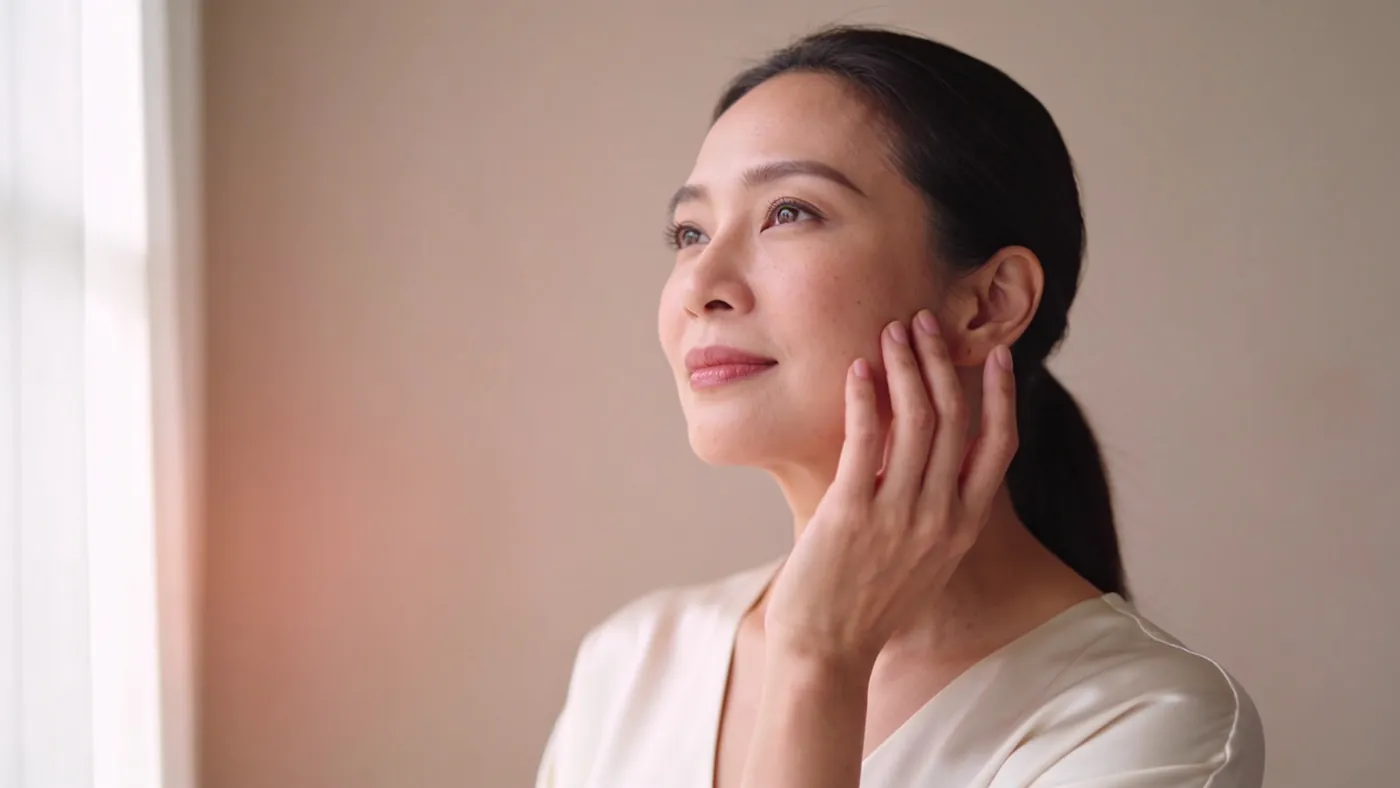
“Radiesse and Sculptra (PLLA) can stimulate natural collagen production in the mid-face rather than adding direct volume.”
Dr Sin YongOn biostimulators versus volume
Biostimulators for Natural Results
Radiesse and Sculptra (PLLA) can stimulate natural collagen production in the mid-face rather than adding direct volume. Results are more gradual and natural-appearing. Biostimulators may suit patients wanting a subtle, gradual change.
When Lifting Is Better Than Filling
If apparent volume loss is primarily due to descended tissue rather than true volume loss — common in the 40s and 50s — lifting with VF Lift or Time Freeze Laser returns tissue to its original position. This reduces apparent hollowing without adding volume and looks more natural than filling alone.
The Pillow Face Risk
Over-placed cheek filler is the most common cause of pillow face in Singapore. Signs of over-treatment: spherical or overly prominent cheeks, loss of natural cheekbone shadow, lateral bulging, overall puffy appearance. Dr Sin Yong uses a restrained, anatomy-first approach.
Ready to Book a Consultation?
All treatments performed personally by Dr Sin Yong at Orchard Road, Singapore.
WhatsApp +65 8023 7170Frequently Asked Questions
Radiesse and HA fillers both work well for cheeks. Radiesse provides greater structural support and biostimulates collagen. HA fillers offer reversibility and are preferred for softer cheek enhancement.
Duration varies with the product, the placement and individual metabolism. HA filler is broken down gradually, and biostimulators behave differently; what to expect is discussed at consultation.
When placed at the correct anatomical depth with appropriate volumes, cheek filler enhances the natural ogee curve without an artificial appearance. Over-volumisation is the most common cause of unnatural results.
Cheek augmentation adds volume. Lifting (VF Lift, HIFU) repositions descended tissue upward — often preferable as it addresses the root cause of hollowing through structural correction rather than volume addition.