Acne Scar Removal Singapore · Pimple Scar Treatment · 4D Scar Reconstruction · Subcision · S3 Resurfacing Laser · Dr Sin Yong

4D Scar Reconstruction — Dr Sin Yong’s Acne Scar Protocol

Dr Sin Yong · MBBS (NUS) · MRCS (Edin) · MSc Aesthetic Medicine with Distinction (Queen Mary, London) · MSc Practical Dermatology (Cardiff) · International KOL Acne scar treatment in Singapore — the overview of every option sets out how the approaches compare before you choose one.

Four-dimensional scar reconstruction: specialised subcision, collagen stimulation, point-shot ablations and fractional laser — addressing tethering, depth, texture and volume within one coordinated protocol, planned individually after the scar type is identified.

4 Dimensions
Addressed
All Scar Types
Protocol
DEKA KOL
Dr Sin Yong
10,600 nm
Fractional CO2

4 Dimensions
Addressed
All Scar Types
Protocol
DEKA KOL
Dr Sin Yong
10,600 nm
Fractional CO2
Invited by Device Makers to Share His Expertise
International KOL for 14+ device brandsShared his clinical expertise with 500+ doctors across AsiaMBBS (NUS) · MRCS (Edinburgh) · MSc with Distinction (Queen Mary, London) · MSc (Cardiff)Every treatment personally performed — never delegated
About This Treatment

4D Scar Reconstruction is Dr Sin Yong's sequenced protocol for acne and other depressed scars: subcision releases tethering, Radiesse supports the released space, TCA CROSS treats narrow ice-pick tracts, and point-shot and fractional CO2 work resurfaces the surface. Dr Sin Yong is an aesthetic physician; scars that need surgical revision are referred to a plastic surgery or dermatology specialist. Dr Sin Yong assesses and treats this personally at his clinic at Wheelock Place, Orchard Road, Singapore.

Key takeaways
  • 4D Scar Reconstruction is Dr Sin Yong's sequenced protocol for depressed acne and surgical scars.
  • It combines subcision, Radiesse, TCA CROSS and point-shot and fractional CO2 work, each aimed at a different feature of the scar.
  • Suitability depends on scar type, depth and tethering, all sorted at assessment before any device is chosen.
  • It does not promise a set outcome and does not replace surgical scar revision.
  • Dr Sin Yong is an aesthetic physician; scars needing surgery are referred to a plastic surgery or dermatology specialist.

Addressing All Four Dimensions of Scar Architecture

Acne scar removal and pimple scar treatment in Singapore is planned so that all four architectural dimensions of scarring are addressed simultaneously: surface texture (the visible irregularity), dermal depth (the vertical tissue deficit), subcutaneous tethering (the fibrous bands pulling the scar base down), and volumetric deficit (the lost tissue volume within the scar). No single treatment addresses all four at once — which is why single-modality protocols consistently produce partial results.

The 4D Scar Reconstruction protocol, designed by Dr Sin Yong, achieves this through specialised subcision (releasing fibrous scar bands), Radiesse (a collagen-stimulating agent), point-shot ablations targeting individual pits, and fractional ablation — all performed in a single coordinated session. The sequence matters: subcision releases the tethering before laser energy adds structural collagen above.

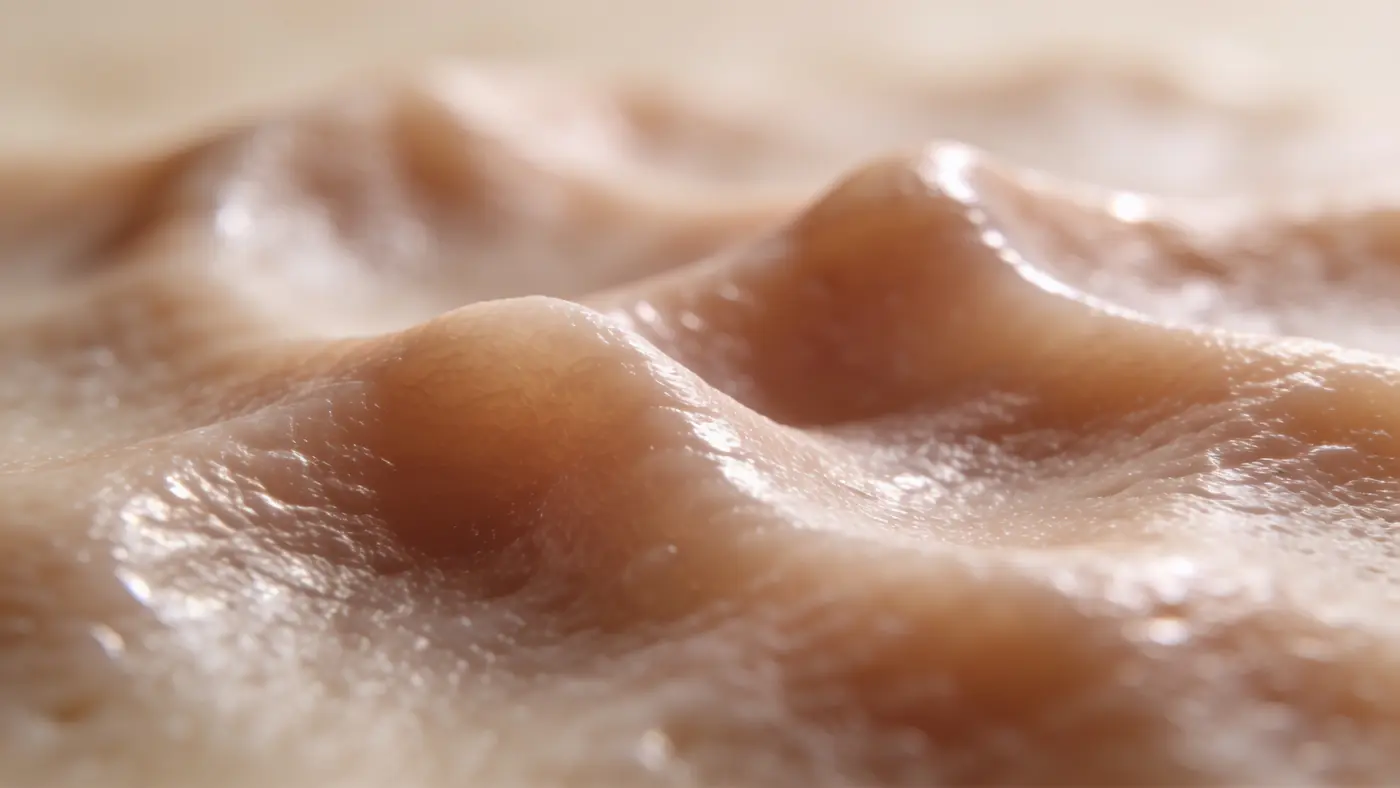
Close-up of uneven skin texture with raised and depressed areas
Assessment comes before any device or injectable is chosen.

The 4D Protocol — Four Simultaneous Dimensions

01
D1 — Surface Texture (Point-Shot & Fractional Ablation)
Precision point-shot ablations target individual scar pits directly, followed by fractional ablation across the treatment zone — stimulating intense collagen remodelling to progressively smooth surface textural irregularity.
02
D2 — Dermal Depth (Collagen Stimulation)
Deep collagen stimulation gradually fills the vertical tissue deficit within the scar — raising the scar floor progressively over multiple sessions.
03
D3 — Subcutaneous Tethering (Subcision)
Subcision releases the fibrous bands tethering the scar base to deeper tissue — allowing the scar floor to rise before laser resurfacing adds structural collagen.
04
D4 — Volumetric Deficit (TCA Cross / Radiesse)
TCA Cross addresses icepick scar volumes with chemical stimulation. Radiesse — a collagen-stimulating agent — is injected beneath released scar tissue to restore volumetric deficit while simultaneously triggering the body's own collagen production. Which material suits a released scar is decided at assessment.

“You can resurface a tethered scar indefinitely — the tether keeps pulling it down. Release comes first.”

— Dr Sin Yong

“If you have a scar from surgery, when you treat it matters as much as how.”

Dr Sin YongOn timing scar treatment · from his Instagram explainer series

What to Expect

Sessions & Spacing

The number of treatments and the interval between them are set individually, and reviewed as the skin remodels rather than fixed in advance. Structural change accumulates between treatments — the scar architecture is rebuilt rather than temporarily masked.

Downtime

a period of pinpoint scabbing following resurfacing, and bruising where subcision has been performed. Recovery varies between patients and with the depth treated. Redness fades as the skin heals and remodels; anything painful, spreading or unexpected should be reviewed rather than waited out.

Degree of Improvement

The protocol is directed at four features of the scar at once — texture, depth, tethering and volume — rather than at the surface alone. How much any individual scar changes depends on its type, its depth and how long it has been tethered, and is discussed honestly at assessment.

Further Refinement

For residual superficial scarring following the 4D protocol, Dr Sin Yong transitions to S3 Resurfacing Laser and FSX Laser (Flawless Smooth Skin) — optimised for finer surface refinement once the deeper structural components have been addressed.

Prefer Not to Use WhatsApp?

Leave your name, mobile number and email and the clinic will contact you directly. No obligation.

Your details go directly to Dr Sin Yong's clinic team and are not shared with anyone else.

Thank you — your enquiry has been received. The clinic will contact you during opening hours (Mon–Fri 10am–8pm, Sat 11am–3pm).
Watch

Dr Sin Yong explains

Why the timing of treatment matters as much as the method for surgical scars. A short video from Dr Sin Yong’s Instagram, with captions.

Who treats acne scars in Singapore: aesthetic physician, dermatologist or plastic surgery specialist?

Acne scars in Singapore are treated by aesthetic physicians, dermatologists and plastic surgery specialists, and the more useful question is whether the doctor sorts each scar by type and either offers or refers for what that type needs. "Specialist" is a protected title: only doctors on the Specialists Register kept by the Singapore Medical Council may use it, and dermatology and plastic surgery specialists are on that register. Dr Sin Yong is an aesthetic physician, not a registered specialist. He holds an MSc in Aesthetic Medicine with Distinction (Queen Mary University of London) and an MSc in Practical Dermatology (Cardiff University).

The work overlaps but is not identical. Dermatologists diagnose and manage skin disease, including acne and its medical treatment, and many also carry out scar procedures. Plastic surgery specialists perform surgical revision, such as punch excision, punch elevation, punch grafting and formal scar revision. Non-surgical scar work, including subcision, fractional CO2 resurfacing, TCA CROSS and collagen-stimulating injectables, is what 4D Scar Reconstruction is built from.

Referral is appropriate when an isolated scar is too deep or too wide for TCA CROSS or resurfacing and needs a punch technique, or when a lesion's diagnosis is uncertain. In those cases Dr Sin Yong refers to a plastic surgery or dermatology specialist and plans any resurfacing around that treatment.

Acne scar options compared by what each one does and where it stops
OptionWhat it doesWhat it cannot doWhat to expect afterwardsWho it tends to suit
4D Scar ReconstructionSequenced protocol: subcision releases tethering, Radiesse supports the space, TCA CROSS and CO2 resurface.Does not promise a set outcome; response depends on scar type, depth and tethering.Pinpoint scabbing after resurfacing and bruising where subcision was done; redness that settles.Depressed acne or surgical scars of several types, sorted at assessment first.
Standard laser resurfacing aloneWorks on surface texture only, one dimension of the scar.Does not release tethering or restore volume lost beneath the scar.Scabbing and redness that settle as the skin heals; discussed at consultation.Superficial surface irregularity without deeper tethering.
TCA CROSSChemical stimulation aimed at narrow ice-pick tracts.Does not release tethered scars or resurface the wider treatment zone.A local skin reaction that settles; discussed at consultation.Narrow, deep ice-pick scars within a wider plan.
S3 Resurfacing Laser and FSX LaserFiner surface refinement of residual superficial scarring once deeper structure is addressed.Does not release deeper tethering; used after the deeper components are treated.Healing redness that settles; progress reviewed against standardised photography.Residual superficial scarring following the 4D protocol.
Referral to a plastic surgery or dermatology specialistPunch excision, elevation, grafting or formal revision for isolated deep or wide scars.Not performed by Dr Sin Yong, who is an aesthetic physician, not a registered specialist.Recovery set by the specialist; any resurfacing is planned around it.Isolated scars too deep or wide for resurfacing, or with uncertain diagnosis.

Who it suits, who should wait, who is referred on

Tends to suit

  • Depressed acne scars of more than one type
  • Surgical or injury scars that are depressed
  • Scars with tethering and volume loss, not just surface texture
  • Skin that is currently free of active infection

Better to wait

  • Active, inflamed acne, until it is controlled
  • Recent isotretinoin, until cleared at consultation
  • A wish for a fixed or exact outcome

Referred on

  • Isolated scars too deep or wide for TCA CROSS or resurfacing → plastic surgery specialist for a punch technique
  • Lesions of uncertain diagnosis → dermatology specialist
Who should not have this treatment
  • Active acne, infection or open wounds in the treatment area
  • Recent isotretinoin use
  • Pregnancy or breastfeeding
  • Keloid tendency (weighed before subcision or resurfacing)
  • Blood-thinning medicines or a bleeding tendency
  • Known allergy to a product or injectable to be used

People who want a fixed, exact result, or whose scar needs surgical revision, tend to respond poorly or to need a different route.

What happens, step by step

  1. Consultation and examination: scars are sorted by surface texture, depth, tethering and volume
  2. Written plan and quote: the sequence and components are set out after assessment
  3. Treatment day: release first, then volume support, then resurfacing as planned
  4. Review and refinement: progress is reviewed and finer surface refinement considered if needed

Risks, side effects and when to call

Expected effects include pinpoint scabbing after resurfacing, bruising where subcision has been performed, and redness that settles as the skin heals. Recovery varies between people and with the depth treated. Less often there can be prolonged redness, pigment change, infection, lumps from an injected product, or a scar that responds less than hoped. Because several methods are layered, each carries its own risks, and these are explained at consultation. Anything painful, spreading or unexpected should be reviewed rather than waited out.

Contact the clinic the same day if
  • Pain that increases or does not settle
  • Spreading redness, warmth or pus
  • Blistering or a wound slow to heal
  • Firm lumps or marked swelling after an injectable

See what to do if something feels wrong after a treatment.

Aftercare

First 24 hours

  • Keep the skin clean and do not pick at scabs
  • Use only the soothing products you were given

First week

  • Let pinpoint scabbing fall away naturally
  • Expect some bruising where subcision was done and avoid heavy exercise or heat
  • Attend review as planned

Sun

  • Avoid direct sun and tanning while the skin heals
  • Use broad-spectrum sunscreen once advised

Skincare

  • Use a plain, gentle cleanser and moisturiser
  • Restart retinoids and acids only when the clinic advises

When to call

  • Pain, spreading redness, warmth or pus
  • Firm lumps or swelling that does not settle

Before you book

  • Declare all medicines, including isotretinoin and blood thinners
  • Avoid sun exposure and tanning before the visit
  • Tell the clinic if you are pregnant, breastfeeding or planning pregnancy
  • Pause strong skincare actives such as retinoids and acids as advised
  • Bring photos of the scars, any surgical history and previous treatment records

Myths we hear in clinic

“Resurfacing the scar surface is enough to fix a depressed scar.”

A tethered scar keeps being pulled down from below, so release comes before resurfacing.

“One device can treat every dimension of a scar.”

Texture, depth, tethering and volume are different features, which is why a sequenced combination is used.

Frequently Asked Questions

Standard laser resurfacing addresses surface texture only (one dimension). 4D Scar Reconstruction simultaneously addresses surface texture, dermal depth, fibrous tethering and volumetric deficit — all four architectural dimensions of the scar.
A course is planned individually after assessment. Structural scar remodelling accumulates across sessions.
5–7 days of scabbing following treatment, and 7–14 days of possible bruising. Redness, mild swelling and scabbing are expected and resolve progressively.
Rolling scars, boxcar scars, icepick scars, hypertrophic scars, post-surgical scars and stretch marks — each using the most appropriate component of the 4D protocol.
Collagen remodelling after fractional resurfacing and subcision is a gradual biological process, so the skin continues to change after the treated surface has healed. Progress is reviewed against standardised photography rather than estimated.
What the 4D Scar Reconstruction protocol costs depends on the extent of the scarring, how many dimensions the assessment finds need addressing, whether one or several modalities are combined, and how the plan is staged. Dr Sin Yong sets this out at consultation, once the scarring has been examined.
Not for a private clinic: you can book an assessment directly. Subsidised appointments at public dermatology services generally need a referral from a polyclinic or GP. Whichever route you take, the first visit should be an examination that sorts the scars by type before any treatment is chosen.
Ask which scar types the doctor sees on your skin, which method is matched to each and why, what each method cannot do, how post-inflammatory pigmentation risk is managed in your skin type, and when a scar would be referred for a surgical technique. Fees are set out at consultation, once the scars have been examined.
The fee depends on the area and number of zones, which components the scars need (subcision, Radiesse, TCA CROSS, point-shot or fractional CO2), the amount of product used and whether refinement is added later. A written quote is given at consultation after assessment, and the consultation decides whether the protocol is advised at all.
It is worth discussing for depressed acne or surgical scars with tethering and volume loss, where surface resurfacing alone addresses only one feature. It is a poorer fit for flat marks, for isolated scars needing a punch technique, or for anyone expecting a fixed outcome, since response depends on scar type, depth and tethering.
No duration can be promised. Longevity depends on the scar type and depth, how long the scar has been tethered, skin ageing, sun exposure and any new breakouts. Structural change builds as the skin remodels, so progress is reviewed over time. Review timing and any later refinement are set at consultation.
It is a layered, multi-step plan, so recovery can include pinpoint scabbing, bruising and redness. Injectable products can cause lumps, and some scars respond less than others. It is not suited to active acne, and scars needing surgical revision are referred on instead. Outcomes cannot be promised and are discussed honestly at assessment.
The Four Dimensions Explained

Standard laser treatments address only the surface — texture and colour — while leaving the deeper structural components untreated. That is why many patients undergo repeated laser sessions with diminishing returns and persistent scars.

Dimension 1 — Surface Texture: Irregular pitting and roughness. Treated with S3 Resurfacing Laser fractional ablation.

Dimension 2 — Scar Depth: Volume deficit beneath depressed scars. Treated with subcision and filler elevation.

Dimension 3 — Pigmentation: Post-inflammatory hyperpigmentation and erythema. Treated with S3 Resurfacing Laser point-shot ablations.

Dimension 4 — Fibrous Tethering: Subcutaneous bands anchoring rolling scars. Treated with subcision to mechanically release tethering.

Question not answered here? Ask on WhatsApp, use the enquiry form, or browse 100 questions patients ask.

Key facts
Core technique
Wide-zone subcision — the fibrous tethers beneath a depressed scar are released across a whole area rather than scar by scar
Instrument principle
Comparable to a Taylor Liberator-type release
Second stage
Resurfacing laser work over the released zone
Third stage
A collagen-stimulating agent introduced after treatment to support the released tissue
Rationale
Subcision addresses the tethering that resurfacing alone cannot reach; the stages are sequential rather than alternatives
Directed at
Rolling and tethered scarring, where the depression is caused by traction from below
Resurfacing wavelength
Fractional ablative CO2 at 10,600 nm (DEKA SmartXide), absorbed by tissue water, creating columns of ablation with intervening untreated skin
Pigment, separately
Picosecond 785 nm addresses post-inflammatory pigment, which is a different problem from scar contour and is treated as such
Scar classification
Icepick, boxcar and rolling scars are different structures; the Goodman and Baron scale runs Grade 1 (macular) to Grade 4 (severe)
Skin type
Fitzpatrick III–V predominate in Singapore, so settings and post-inflammatory pigment risk are calibrated rather than borrowed from other populations
Classification
Physician-performed laser and injectable procedures, assessed in person before any plan is made

Treatment Modalities

S3 Resurfacing Laser (DEKA) — Ablates microthermal zones triggering wound healing with new collagen deposition. Precise calibration of ablation depth and density per scar type and skin tone.

Subcision — Fine needle or cannula mechanically severs fibrous bands beneath rolling and tethered scars, allowing them to rise toward the surface. A haematoma forms beneath, acting as a natural spacer preventing rebinding.

TCA CROSS — Highly concentrated trichloroacetic acid applied precisely to icepick and narrow boxcar scars, triggering reconstruction of the scar channel. Suited to icepick scars unresponsive to laser alone.

Collagen Stimulating Agent Post-Subcision — Radiesse (calcium hydroxylapatite) is injected beneath the released scar tissue — acting as a collagen biostimulator while providing volumetric support at the time of placement. Calcium hydroxylapatite and poly-L-lactic acid work through different mechanisms on different timelines, and hyaluronic acid works through a third; which is appropriate under a released scar is a clinical decision made at assessment.

Realistic Expectations

No scar treatment removes a scar entirely. Acne scarring is graded — the Goodman and Baron scale runs from Grade 1 (macular) to Grade 4 (severe) — and the grade, the scar type and the degree of tethering set what is realistically achievable. That conversation happens at assessment, before any treatment is planned, not afterwards.

Clinical photography is performed under standardised lighting for the medical record, so that response is judged objectively rather than from memory. Dr Sin Yong reviews it with each patient and adjusts the protocol accordingly. The interval between treatments matters as much as the sessions themselves — each treatment initiates a wound-healing response that must complete before the next begins.

SY
Dr Sin Yong
MBBS (NUS, Singapore) · MRCS (Royal College of Surgeons, Edinburgh)
MSc Practical Dermatology (University of Cardiff, UK) · MSc Aesthetic Medicine with Distinction (Queen Mary University of London)
Graduate Diploma in Sports Medicine (Nanyang Technological University)
International Key Opinion Leader — CLASSYS | HIRONIC | DEKA | ALMA | FOTONA | LUTRONIC

As a comprehensive acne scar treatment in Singapore, 4D Scar Reconstruction combines resurfacing, subcision and collagen stimulation to address every dimension of scarring.

Fees & Consultation

What Determines Your Fee

The area being treated

A focused zone and a full-face plan are different undertakings, and the fee reflects the extent of what is actually treated.

What the assessment finds

The plan follows the examination — what is loose, what has descended, and what the skin itself needs determine the approach.

Single or combined modalities

Some plans use one technology; others combine modalities at different depths, staged over time.

This site does not publish fees; they are set out at consultation. Your fee is set out clearly at consultation, after Dr Sin Yong has assessed you — before anything is decided.

WhatsApp for a Fee Estimate
Watch

In his words

“You can resurface a tethered scar forever — the tether keeps pulling it down until it's released.”Dr Sin Yong

Your Scar Treatment Plateaued. Here's the Usual Reason.

Surgical Scars Have a Treatment Window. Are You In It?

Medically reviewed by Dr Sin Yong, MBBS (NUS), MRCS (Edinburgh) · Last updated 20 September 2026 · Editorial policy

Related reading
Where Dr Sin Yong consults: Wheelock Place, 501 Orchard Road, Singapore 238880 (unit on booking) · Orchard MRT · Mon–Fri 10am–8pm, Sat 11am–3pm · WhatsApp +65 8023 7170 · Getting here · How fees are quoted

4D Scar Reconstruction Consultation

Structural scar work — all sessions personally by Dr Sin Yong.

  1. 1WhatsApp a short note on your concern
  2. 2Consultation and assessment with Dr Sin Yong
  3. 3Options explained, including no treatment

Replies within clinic hours: Mon–Fri 10am–8pm, Sat 11am–3pm · How consultations work · Prefer not to use WhatsApp? · Treatment finder

WhatsApp Dr Sin Yong

References

  1. Comparative Efficacy and Safety of Fractional CO2 Laser and Microneedling Radiofrequency for Atrophic Acne Scars: A Systematic Review — PMC.
  2. 1064-nm Picosecond Laser vs 1927-nm Fractional Thulium Laser for Atrophic Acne Scars in Asian Patients: A Randomized Split-Face Study — PMC.
Follow Dr Sin Yong
InstagramTikTokYouTubeThreadsXLinkedInFacebook
Dr Sin Yong · Ask about acne scars · Doctor-performed
WhatsApp Enquiry