Sagging Face Treatment Singapore · Non-Surgical Facelift · Skin Lifting · Jawline Definition · Dr Sin Yong

Sagging Face Treatment Singapore

Medically reviewed by Dr Sin Yong · Last reviewed · 20 min read · Doctor-performed, never delegated · Jump to questions

Dr Sin Yong · MBBS (NUS) · MRCS (Edin) · MSc Aesthetic Medicine with Distinction (Queen Mary, London) · MSc Practical Dermatology (Cardiff) · International KOL

As the face ages, skin and deeper tissues descend — softening the jawline, deepening folds and creating jowls. Dr Sin Yong restores lift without surgery, combining laser lifting, vertical firming and proprietary restoration protocols to redefine the contours of the face.

Featured Treatments

Sagging face treatment in Singapore depends on which layer has changed: surface, structure or support. Dr Sin Yong combines Time Freeze Laser LCLR®, VF Lift – Vertical Facelift and RVR ProLift without surgery, choosing between them after assessing how the skin and deeper tissues have descended. Dr Sin Yong assesses and treats this personally at his clinic at Wheelock Place, Orchard Road, Singapore.

Key takeaways
  • Sagging face treatment depends on which layer has changed: the skin surface, deeper structure or support.
  • Dr Sin Yong selects between Time Freeze Laser LCLR®, VF Lift – Vertical Facelift and RVR ProLift after examination.
  • Mild to moderate sagging suits non-surgical lifting; pronounced skin excess may be better served by surgery.
  • These protocols do not take away excess skin, and individual response varies.
  • Treatment follows a personal assessment by Dr Sin Yong, an aesthetic physician.

Three Approaches to Non-Surgical Lifting

A sagging face is lifted from different layers — surface, structure and support. Dr Sin Yong combines these protocols to restore natural, balanced definition.

Time Freeze Laser LCLR® Facelift
Laser Facelift

Time Freeze Laser LCLR® Facelift

A laser-based lifting protocol that firms lax facial skin and stimulates contraction, softening jowls and restoring a smoother, more lifted contour without surgery.

VF Lift
Vertical Firming

VF Lift

A non-surgical vertical facelift that lifts and firms descended tissue along its natural vector, redefining the cheeks and jawline while keeping expression natural.

RVR ProLift
Proprietary Restoration

RVR ProLift

A proprietary refinement-with-vertical-restoration protocol that re-supports the deeper structure of the face, addressing the underlying descent behind a sagging appearance.
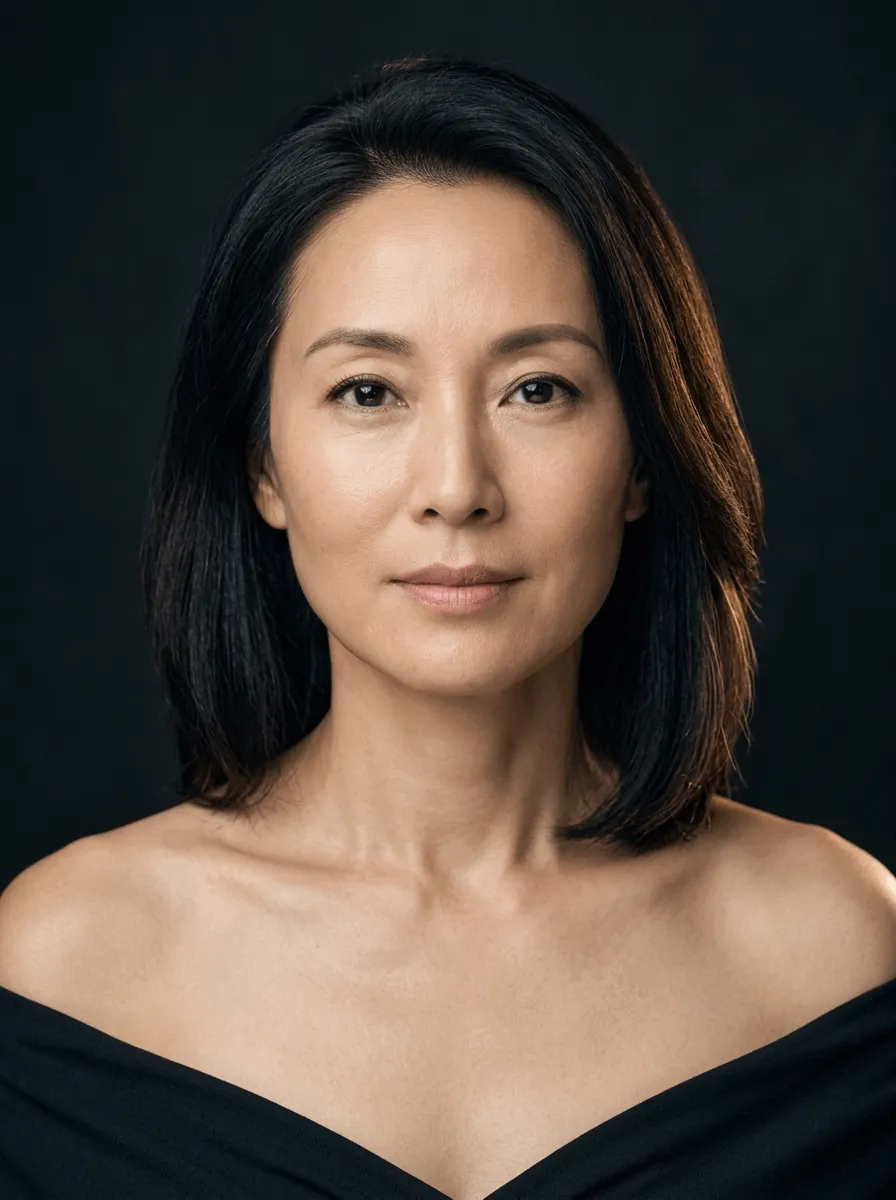
“A non-surgical facelift in Singapore works on the skin, the descended tissue and the deeper support together, rather than simply pulling the surface tight.”

Dr Sin YongOn non-surgical lifting
Understanding the Problem

Why the Face Sags With Age

Facial sagging is not caused by skin alone. With age the skin loses collagen and elasticity, the deeper fat pads descend, and the underlying support weakens — so the whole structure of the face drifts downward. This shows up as a softened, blurred jawline, jowls forming along the lower face, deepening nasolabial folds and marionette lines, a heavier double chin, and a loss of the youthful V-shape.

Because several layers are involved, treating a sagging face means addressing more than surface skin laxity. Dr Sin Yong's non-surgical facelift works on the skin, the descended tissue and the deeper support together, rather than simply pulling the surface tight. This is what keeps the result looking natural — a refreshed, lifted version of your own face rather than an operated-on appearance.

Understanding where you are sagging — midface, jawline, jowls, neck or brow — guides which combination of lifting and firming is right, since no single protocol addresses every area equally.

How Treatment Works

Non-Surgical Lifting & Skin Tightening

A non-surgical face lift uses energy and firming to tighten lax skin and re-support tissue without incisions. Dr Sin Yong combines laser lifting to firm the skin and soften jowls, vertical firming that lifts descended tissue along its natural upward vector, and proprietary restoration protocols that re-support the deeper structure behind a sagging appearance. Together these rebuild definition along the cheeks, jawline and lower face.

Patients researching facial lifting often come across energy-based devices such as HIFU, Ultherapy and Thermage, and ask how these compare. These are skin-tightening technologies that work by heating deeper layers to stimulate collagen; they can help with mild laxity but each targets a single mechanism. Dr Sin Yong's approach differs in combining lifting vectors with skin tightening and structural support, chosen for where your face is actually descending, rather than relying on one device for every patient. At consultation he will explain honestly which approach suits your degree of sagging.

A heavy double chin, one of the most common concerns alongside a sagging face, is addressed with the same skin-tightening and contouring principles applied under the chin and jawline, improving the neck-to-jaw profile as part of the overall lift.

“Tightening skin that is not the problem is the most expensive mistake in aesthetics.”

Dr Sin YongOn laxity, descent and deflation
Is It Right For You

Who a Non-Surgical Facelift Suits

Non-surgical face lifting suits people with mild to moderate sagging who want to firm a softening jawline, early jowls, or loose skin without surgery and without the downtime of a surgical facelift. It is a gradual treatment — results build as collagen remodels — and it works well as prevention and early correction rather than waiting until laxity is pronounced.

Pronounced sagging, with a large amount of excess skin, may still be better suited to surgery, and Dr Sin Yong will tell you honestly if that is the case rather than over-promise what non-surgical treatment can deliver. For most people troubled by the first signs of a sagging face, though, a tailored non-surgical lift restores meaningful definition while keeping the face looking like itself.

Surgery, or Not

A Non-Surgical Alternative to Facelift Surgery

Many people first look into facelift surgery in Singapore — a surgical facelift, mini facelift or SMAS lift — when the jawline softens and jowls appear. Surgery repositions tissue through incisions under anaesthesia and can address significant laxity, but it involves scarring, a recovery period and a longer-lasting structural change. For mild to moderate sagging, Dr Sin Yong offers a non-surgical facelift as an alternative: energy-based lifting and firming that re-support descended tissue without cutting, without general anaesthesia and with little downtime.

This suits patients who want to lift a sagging face or refine an early double chin but are not ready for surgery, as well as those maintaining a previous surgical result. Where laxity is pronounced and a surgical facelift would genuinely serve you better, Dr Sin Yong will say so at consultation rather than stretch what non-surgical treatment can do.

Tone, Not Lift

Pigmentation Is a Separate Concern — Pico Laser

A dull, uneven complexion is often confused with a sagging face, but they are different problems that need different treatments. Pico laser is a picosecond laser used in Singapore to address pigmentation — melasma, sunspots, freckles, post-acne marks and an overall uneven or dull skin tone. It delivers ultra-short pulses that break pigment into fine particles the body clears, refreshing the clarity and evenness of the skin.

What Pico laser does not do is lift. Because it works on pigment and surface quality rather than on the deeper tissue that has descended, it will not tighten jowls or re-support a sagging jawline. Lifting comes from the structural protocols on this page — RVR ProLift, Time Freeze Laser and 4K Body Lift. Many patients have both concerns at once, so Dr Sin Yong often plans Pico for tone alongside a lifting protocol for structure, treating each with the tool suited to it.

Areas of Ageing

Where the Face Loses Its Lift

Facial ageing shows in specific zones. Tap an area to see how Dr Sin Yong restores lift and definition there.

Areas of facial ageing
Midface
Cheeks
Descended cheek volume flattens the midface and deepens the folds below. Vertical lifting and laser firming re-elevate the cheek along its natural vector, restoring soft height and support.
Tap an area or tab to explore

A non-surgical facelift in Singapore offers an alternative to surgery for a sagging face, using energy-based lifting and skin tightening to firm lax skin and re-support descended tissue. Dr Sin Yong addresses the common signs of facial sagging — a softened jawline, jowls, deepening folds, a heavy double chin and loss of V-shape definition — with laser lifting, vertical firming and proprietary restoration protocols. This face lift alternative aims for a natural, gradual result with little downtime, redefining the contours of the face without incisions.

Key Facts

At a glance
What actually descends
Three layers behave differently: the dermis thins, the SMAS and its retaining ligaments slacken, and the deep fat compartments deflate and shift downward
Dermis
Reached by monopolar radiofrequency at 6.78 MHz, which heats the dermis and fibrous septae in bulk under epidermal cooling
SMAS
Lies at approximately 4.5 mm on the face; reached by focused ultrasound delivering discrete thermal coagulation points at roughly 60–70 °C
Focused ultrasound depths
1.5 mm superficial dermis, 3.0 mm deep dermis, 4.5 mm SMAS — different cartridges, not different settings
Mechanical repositioning
Absorbable threads (PDO, PCL, PLLA) placed in the subcutaneous plane above the SMAS, gripping tissue along a planned vector
Volume
Cross-linked hyaluronic acid or collagen biostimulators restore structure where fat compartments have deflated; energy devices do not replace lost volume
Classification
Non-invasive energy devices and injectable medical treatments, assessed and performed by a registered doctor
What none of them do
Remove skin. Where there is true skin excess, no energy device or thread substitutes for surgery

Who should not have non-surgical face lifting?

The reasons to wait or avoid treatment depend on the technology, but some apply across lifting treatments. Energy-based lifting is postponed during pregnancy and over skin that is infected, broken or inflamed, including an active cold sore. Monopolar radiofrequency, used in VF Lift – Vertical Facelift and Thermage, is not used in anyone with a pacemaker or other implanted electronic device; focused ultrasound is not used over metal implants in the treatment area; and laser lifting with Time Freeze Laser LCLR® is not done on freshly tanned skin.

Other points call for caution: a tendency to keloid scarring, a bleeding disorder or blood-thinning medicines, autoimmune or heat- and light-sensitive skin conditions, recent filler or threads in the area, and a face that is already thin, where treatments that can reduce fat are used conservatively. Pronounced sagging with a large amount of excess skin is less a contraindication than a sign that surgery may serve you better, and referral to a plastic surgery specialist is the honest advice. Suitability is decided at consultation, after Dr Sin Yong has examined your face and taken a medical history.

Is non-surgical face lifting safe? The risks to know

Most effects of energy-based lifting are mild and short-lived: redness, warmth, swelling and tenderness that usually settle within hours to days. Bruising, temporary numbness or tingling, and small raised welts are less common.

Rare but recognised risks differ by technology: a burn or blister from radiofrequency or laser, a dip in the contour if the fat beneath the skin is overheated, temporary weakness of a small facial nerve branch after focused ultrasound, and pigment change after laser, which is more likely in darker or recently tanned skin. Repeating treatment over the years does not remove these risks, which is why each course is preceded by a fresh assessment. Risk is reduced by matching the treatment to the layer that is actually sagging, a medical history before any energy is delivered, depths and settings chosen for each area and skin type, mapping of nerve danger zones, and clear aftercare. Any blistering, persistent swelling or change in facial movement is reviewed by a doctor at the clinic.

Who it suits, who should wait, who is referred on

Tends to suit

  • Mild to moderate sagging of the cheeks, jawline or jowls
  • A softening jawline or early jowls
  • Wanting gradual, natural-looking firming without incisions
  • Maintaining a previous surgical result

Better to wait

  • Pregnancy
  • Active infection, cold sore or inflamed skin in the area
  • Freshly tanned skin before laser lifting

Referred on

  • Pronounced skin excess: referred to a plastic surgery specialist for surgical assessment
  • Unexplained swelling or asymmetry: referred for medical review
Who should not have this treatment
  • Pregnancy
  • Pacemaker or other implanted electronic device (radiofrequency is not used)
  • Active infection, cold sore or broken skin in the area
  • Freshly tanned skin (laser lifting is not done)
  • Tendency to keloid scarring (caution advised)
  • Bleeding disorder or blood-thinning medicines (caution advised)

People with pronounced skin excess, or who expect the result of a surgical facelift, tend to respond poorly, as surgery is the better tool for them.

What happens, step by step

  1. Consultation and examination: Dr Sin Yong assesses where the skin and deeper tissues have descended and takes a medical history
  2. Written plan and quote, with the protocol or combination explained and risks discussed
  3. Treatment day: the chosen protocol is delivered area by area, with settings set for each area and skin type
  4. Review and adjustment: the face is reviewed and the plan is adjusted to how it responded

Aftercare

First 24 hours

  • Expect warmth, redness and mild swelling; keep the skin cool and handle it gently
  • Avoid hot showers, saunas and strenuous exercise while the face feels warm

First week

  • Use a bland moisturiser and avoid facial massage or pressure unless advised
  • Report any change in facial movement or any blistering
  • Attend the review so the plan can be adjusted

Sun

  • Avoid direct sun and tanning while the skin settles
  • Use broad-spectrum sunscreen daily on the face and neck

Skincare

  • Use gentle, fragrance-free cleansing and moisturising
  • Hold off retinoids, acids and scrubs until the skin is comfortable

When to call

  • Blistering, skin colour change or persistent swelling
  • Any change in facial movement, or fever and spreading redness

Before you book

What determines the fee

The fee depends on the areas treated, such as the cheeks, jawline, jowls or neck, and on which protocol is chosen, since Time Freeze Laser LCLR®, VF Lift – Vertical Facelift and RVR ProLift use different devices and consumables. The number of passes or zones, and whether protocols are combined, also shape the plan. A written quote is given at consultation after assessment. The consultation decides whether treatment is advised at all, or whether a surgical opinion would serve better.

How quotes work at this practice: how we quote.

Myths we hear in clinic

“One device lifts every sagging face.”

Faces sag in different layers, so the protocol is chosen after assessing where tissue has descended.

“Non-surgical lifting is a surgical facelift without the scar.”

It firms and re-supports tissue but cannot take away excess skin, where surgery is the more suitable option.

Not sure sagging is the right concern to treat? See which treatment fits which cause, a one-page guide to ten common concerns.

Frequently Asked Questions — Sagging Face Treatment

Can non-surgical lifting treat the neck and 'tech neck'?+

Yes. Laxity rarely stops at the jawline, so the neck and under-chin are commonly treated alongside the lower face. Energy-based lifting can firm the neck and soften horizontal lines. Dr Sin Yong assesses the face and neck together so the result stays balanced.

Do men have non-surgical face lifting too?+

Yes. Men commonly seek treatment for jowls, a heavy jawline and under-chin fullness. The principles are the same, though the plan accounts for thicker skin, the beard area and a preference for a defined rather than softened contour.

Can non-surgical lifting be combined with fillers?+

Often, yes — lifting addresses laxity while fillers address volume loss, and the two can be complementary. Dr Sin Yong plans any combination in sequence, and where volume is the main issue he is equally experienced in correcting over-filled results rather than adding more.

Is repeated non-surgical face lifting safe over the years?+

Energy-based lifting is designed to be repeatable, and maintenance is a normal part of a long-term plan as the face continues to age. Intervals are set to what the skin needs rather than a fixed schedule, and reviewed before each course.

Which doctor should I see for a non-surgical facelift in Singapore?+

Non-surgical facelift results depend on matching the right energy and technique to the pattern of laxity — jowls, mid-face descent, jawline or neck. Dr Sin Yong is an aesthetic physician with an MSc in Aesthetic Medicine with Distinction (Queen Mary University of London) and is an International Key Opinion Leader for CLASSYS and HIRONIC. His non-surgical lifting protocols, including the VF Lift and Svelte Touch, combine radiofrequency and ultrasound energy to lift and firm without surgery. Suitability is assessed at consultation on Orchard Road, Singapore.

Does Pico laser lift a sagging face?+

No. Pico laser targets pigmentation and skin tone — melasma, sunspots and uneven or dull skin — rather than laxity. It refreshes clarity but does not tighten jowls or lift descended tissue. Lifting a sagging face comes from structural protocols such as RVR ProLift, Time Freeze Laser and 4K Body Lift, which Dr Sin Yong often plans alongside Pico when both tone and lift are concerns.

Is there a non-surgical alternative to a facelift or mini facelift?+

Yes. For mild to moderate sagging, non-surgical lifting firms and re-supports the face without incisions or general anaesthesia and with little downtime — an alternative to a surgical facelift or mini facelift. Significant laxity with a lot of excess skin may still be better suited to surgery, and Dr Sin Yong will advise honestly at consultation.

Can a sagging face be lifted without surgery?+

Yes, in many cases. Non-surgical lifting uses energy-based and firming protocols to tighten skin and re-support descended tissue. It suits mild to moderate sagging especially well. Pronounced laxity may still be better addressed surgically, and Dr Sin Yong will advise honestly.

How is a non-surgical facelift different from a surgical one?+

A surgical facelift cuts and repositions tissue under anaesthesia with a longer recovery. Dr Sin Yong's non-surgical approach works without incisions, and recovery depends on the settings and area — a gradual change in the tissue rather than the abrupt structural change surgery produces.

What causes a face to sag?+

Ageing brings loss of collagen, descent of fat pads, and skin laxity, so the face loses its structural support and tissue drifts downward. This shows as jowls, a softened jawline, and deeper folds. Treatment aims to re-lift and re-support these layers.

Which treatment is right for my sagging face?+

The right sagging face treatment depends on where and how much you are sagging. Surface laxity, structural descent, and volume loss each call for different protocols, which is why Dr Sin Yong assesses your face before recommending a combination rather than a single fixed treatment.

Is there downtime after non-surgical face lifting?+

Non-surgical face lifting treatments are designed to be low-downtime, with most people resuming normal activities quickly. Exactly what to expect depends on the protocols used and is explained at consultation.

How long do the results last?+

Change builds gradually as collagen remodels, and ageing continues over time, so periodic maintenance is often discussed. Individual longevity varies and is discussed at your assessment.

How does a non-surgical facelift compare to HIFU, Ultherapy or Thermage?+

HIFU, Ultherapy and Thermage are energy-based skin-tightening devices that heat deeper layers to stimulate collagen, and can help with mild laxity. Dr Sin Yong's non-surgical facelift instead combines lifting vectors, skin tightening and structural support tailored to where your face is descending, rather than relying on a single device. He will advise which approach suits your degree of sagging at consultation.

Can a non-surgical facelift help a double chin?+

Yes. A heavy double chin is a common concern alongside a sagging face, and the same skin-tightening and contouring principles can be applied under the chin and along the jawline to improve the neck-to-jaw profile as part of the overall lift.

How much does non-surgical face lifting cost in Singapore?+

Cost depends on the areas treated, the degree of sagging, and which combination of protocols is planned. Because each plan is personalised rather than a fixed package, Dr Sin Yong provides a clear quote after assessing your face at consultation.

At what age should I start treating a sagging face?+

There is no fixed age at which to begin treating a sagging face. Non-surgical lifting works well as early correction, when laxity is mild to moderate, rather than waiting until sagging is pronounced. Many people start when they first notice a softening jawline or early jowls, since gradual maintenance tends to give the most natural result.

Who is not a good candidate for a non-surgical facelift?+

Someone with pronounced sagging and a large amount of excess skin is usually better served by a surgical opinion. Pregnancy, infection or inflammation in the area, and, for radiofrequency, a pacemaker or other implanted electronic device are reasons to wait or avoid treatment. Suitability is confirmed at consultation.

How much does sagging face treatment cost in Singapore?+

The cost of sagging face treatment in Singapore depends on the areas treated, the protocol chosen, the device and consumables involved, the number of passes or zones, and whether protocols are combined. A written quote is given at consultation, after Dr Sin Yong has examined the face. The consultation also decides whether treatment is advised, so no fixed figure is given in advance.

Is sagging face treatment worth it?+

Non-surgical lifting can be worthwhile for people with mild to moderate sagging who want gradual firming without incisions and accept that response varies. It is less suitable where there is pronounced skin excess, as surgery may serve better, or where the concern is pigment or lost volume rather than descent. Dr Sin Yong says so plainly at consultation.

How long does sagging face treatment last?+

How long sagging face treatment lasts depends on age, skin quality, the layer treated, sun exposure, weight change and lifestyle, and the face continues to age after treatment. No duration is promised. Review timing, and whether maintenance is advisable, is set at consultation after the face has been examined and the plan explained.

What are the disadvantages of sagging face treatment?+

Disadvantages include a gradual and variable response, temporary redness, swelling or tenderness, and uncommon risks such as burns, contour change or pigment change. None of the protocols take away excess skin or replace lost volume. Maintenance may need to be discussed, and pronounced sagging may be better served by surgery. Assessment comes first for these reasons.

Question not answered here? Ask on WhatsApp, use the enquiry form, or browse 100 questions patients ask.

Watch

Dr Sin Yong explains

“Ageing is descent. Adding volume to something that's falling adds weight to the fall.”Dr Sin Yong

Your Face Isn't Losing Volume. It's Descending.

The Most Expensive Mistake in Aesthetics

Read next
HIFU vs Ultherapy vs Thermage — the comparison guide

Medically reviewed by Dr Sin Yong, MBBS (NUS), MRCS (Edinburgh) · Last updated 7 October 2026 · Editorial policy

Related reading
Where Dr Sin Yong consults: Wheelock Place, 501 Orchard Road, Singapore 238880 (unit on booking) · Orchard MRT · Mon–Fri 10am–8pm, Sat 11am–3pm · WhatsApp +65 8023 7170 · Getting here · How fees are quoted

Restore Lift — Without Surgery

Book a facial assessment with Dr Sin Yong at his aesthetic practice on Orchard Road, within reach of Somerset, City Hall and the Central town area.

  1. 1WhatsApp a short note on your concern
  2. 2Consultation and assessment with Dr Sin Yong
  3. 3Options explained, including no treatment

Replies within clinic hours: Mon–Fri 10am–8pm, Sat 11am–3pm · How consultations work · Prefer not to use WhatsApp? · Treatment finder

WhatsApp +65 8023 7170 →
Explore Further

References

  1. Treatment of Facial Skin Laxity by a New Monopolar Radiofrequency Device — PMC / Journal of Cutaneous and Aesthetic Surgery.
  2. Consensus Recommendations for Combined Aesthetic Interventions Using Botulinum Toxin, Fillers, and Energy-Based Devices — PubMed / Dermatologic Surgery.
Follow Dr Sin Yong
InstagramTikTokYouTubeThreadsXLinkedInFacebook
Dr Sin Yong · Ask about non-surgical lifting · Doctor-performed
WhatsApp Enquiry